Skip to content
Open 24/7Upfront pricing
Call now (470) 555-0100
South Fulton, GA (470) 555-0100

Slab foundations near the airport side

Slab leak and plumbing service in Red Oak, GA homes

Hidden leaks under concrete are a common worry for slab homes here. Request a quote and we confirm availability and what to check while you wait.

(470) 555-0100 Call now
  • Written quote before work starts
  • Repairs for homes built in the 1990s to 2010s
  • Problems explained in plain language
Request a plumber
How soon do you need help?

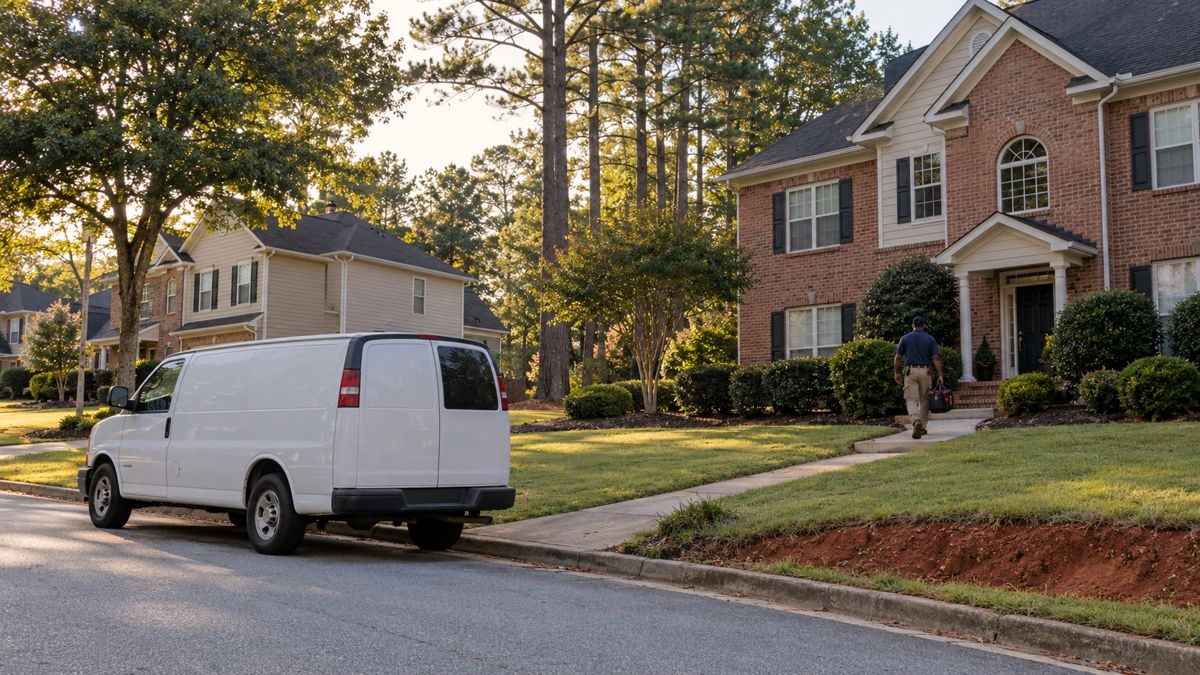
Suburban street of brick homes in South Fulton Georgia with a work van
  • Open 24/7
  • Upfront pricing
  • Clear communication
  • Local plumbers

Why Red Oak homes are often a slab leak conversation

Red Oak lies on the airport side of south Fulton County, a settled area of mid-century ranches, later subdivisions and some wooded lots. Many of the houses sit on concrete slabs, and many of those slabs rest on Georgia red clay that moves with the seasons.

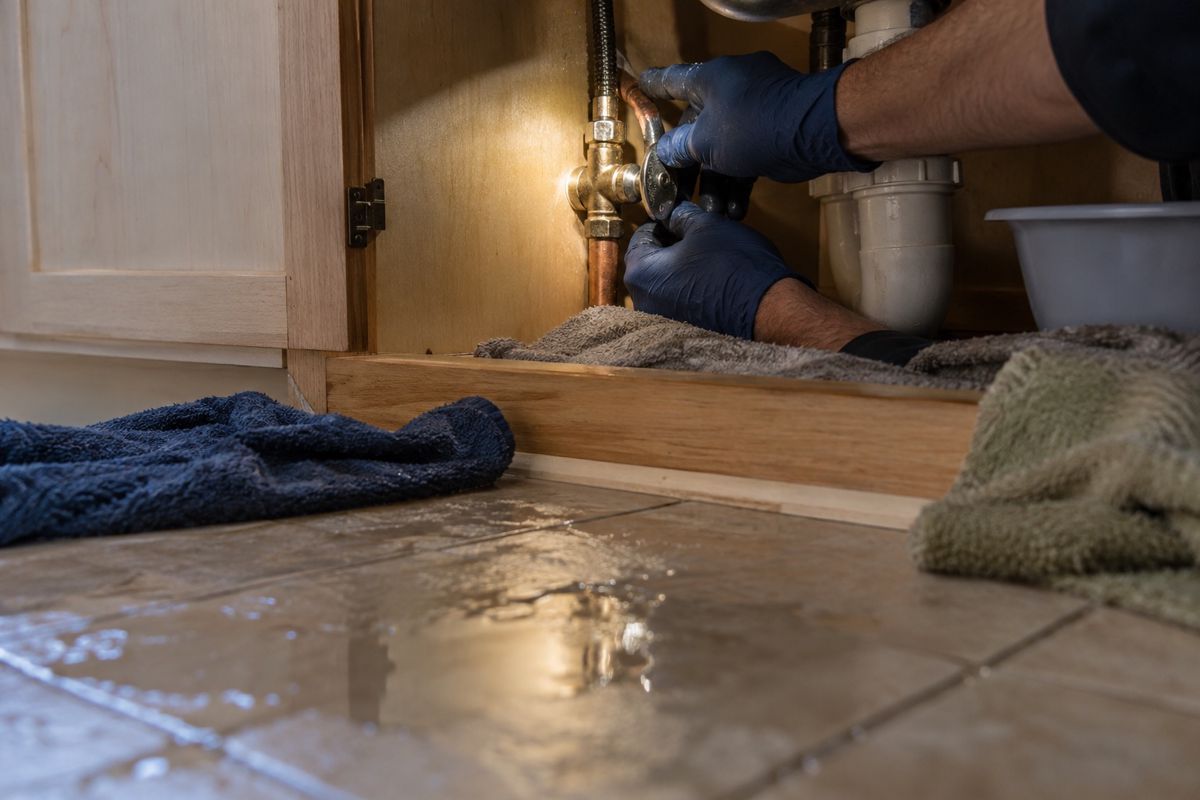
When hot and cold supply lines run beneath or through a slab, a pinhole leak can go unnoticed for a long time. The clue is usually indirect: a bill that creeps upward, a warm patch on a floor, or the faint sound of water when everything is switched off. Finding the leak early keeps a small repair from becoming a flooring replacement.

Roads, noise and the day to day of living here

Roosevelt Highway and nearby I-85 and I-285 exits make the area easy to get around, though traffic builds around the airport at peak times. Some residential streets are quiet and tree-lined, with older brick houses set back from the road.

Homes of the mid-century era often still carry their original supply plumbing or have partial updates. That patchwork is worth mentioning when you contact us. A repair to one section can put new stress on the old pipe beside it, so we want to know what has been replaced and what has not.
Services we bring to Red Oak

Red Oak homes can use any of the services below, and each has its own page with more detail.

Slab leaks are easier to catch when you know the signals. Watch for:

  • A water bill that climbs with no change in how the family uses water.
  • A meter that keeps moving after every fixture is turned off.
  • Warm spots on tile or hardwood, often from a hot line.
  • Damp carpet, lifting flooring or a musty smell near the foundation.

If you notice any of these, shut off the main and call us. Detection comes first, so the leak is pinpointed before any cutting begins. Once located, options may include a spot repair, rerouting the line through the attic or walls, or a broader repipe. The right choice depends on pipe condition.

Insurance questions and getting a record of the damage

Water damage and insurance claims often go together, and the details differ from policy to policy. Some policies treat sudden leaks differently from gradual ones, and some exclude the pipe itself while covering resulting damage. Ask your insurer what applies before work starts.

Take dated photos of stains, warped flooring and meter readings, and keep any invoices. We can describe the cause and location of a leak in writing after an inspection, which gives you something concrete to attach to a claim. We do not decide coverage, but clear records make the conversation easier.

What a quote request looks like for a Red Oak home

Use the form or call (470) 555-0100. We serve Red Oak but are not located there, so the request confirms whether a visit fits our schedule.

  1. Share what you have noticed, and whether the water meter keeps running with every fixture off.
  2. Mention the age of the house and any earlier plumbing repairs, even small ones.
  3. Tell us the floor types in the affected rooms, such as tile, hardwood or carpet.
  4. We reach out, schedule an inspection and test the lines to see where pressure is lost.
  5. Findings and repair options come to you in a written quote you can read at your own pace.
How soon do you need help?

Questions about Red Oak

How is a slab leak found without breaking the floor?

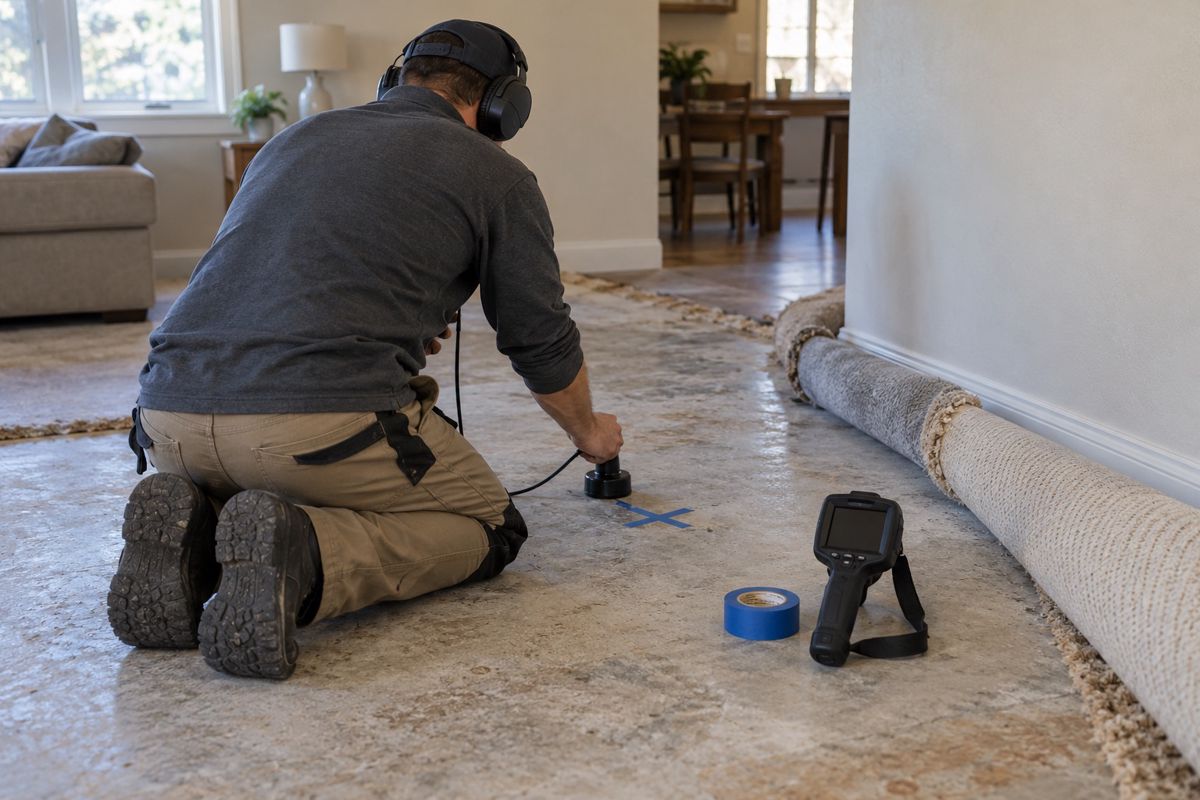
Technicians use listening devices, pressure tests and sometimes thermal or electronic locating tools to trace where a pipe is leaking. These methods narrow the search to a small area. Only then is access opened, which limits damage to flooring and concrete. The goal is a precise spot rather than a guess.

Can I stay in the house with a slab leak?

Usually, yes, if the leak is small and you can shut off the main when needed. A large leak, standing water or a smell of mold changes that. Turn off power to wet areas if it is safe to do so. We will tell you what to watch for until the repair is complete.

Is repiping better than fixing one leak?

It depends on the pipe. A single failure in otherwise sound pipe can be repaired. If the line has several leaks or the copper is thin and pitted, new leaks tend to follow, and repiping can save repeated repair costs. An inspection helps decide which path is more sensible for your home.

Why is there a warm spot on my floor?

A warm patch can mean a leaking hot water line beneath the surface. The leak heats the slab around it. Do not ignore it. Shut off the water heater if the area is large or the floor feels hot, and call so the line can be tested and the cause confirmed.

What if my Red Oak house has polybutylene pipe?

Polybutylene is a gray plastic pipe used in some homes from the 1980s into the 1990s, and it has a record of failing at fittings. If you see it, a plumber can assess its condition. Many owners choose to replace it before it leaks, and some insurers ask about it, so documenting it is useful.

Ready when you are

Call now or request a quote online.

(470) 555-0100